Ultrasonic Cavitation Machine: Benefits, Risks, Results & Professional Treatment Guide
Ultrasonic Cavitation Machine: Benefits, Risks, Results & Professional Treatment Guide
Share This Website
Non-invasive body contouring has transformed the aesthetics industry over the past decade. More clients than ever are seeking treatments that reduce stubborn fat without surgery, anesthesia, or lengthy recovery periods. Among the most requested technologies, the ultrasonic cavitation machine has become a trusted solution for beauty clinics, med spas, wellness centers, and aesthetic professionals looking to deliver measurable body sculpting results with minimal downtime.
Unlike traditional liposuction, ultrasonic cavitation relies on advanced low-frequency ultrasound technology to target localized fat deposits while leaving surrounding tissues largely unaffected. The treatment is designed to reshape body contours rather than replace healthy weight management, making it particularly attractive for individuals who maintain a stable lifestyle but struggle with resistant fat around the abdomen, thighs, hips, arms, or waist.
As the popularity of body contouring continues to grow, so do the questions surrounding this technology. Does fat cavitation really work? Is it safe? Are the results permanent? Who should avoid treatment? How many sessions are required? What should clients expect before and after each appointment?
This comprehensive guide answers these questions using current industry knowledge, practical clinical experience, and professional recommendations. Whether you are a clinic owner considering new equipment, a beauty professional expanding your treatment menu, a distributor evaluating manufacturers, or someone researching non-surgical fat reduction, this guide provides a complete overview of ultrasonic cavitation technology and its real-world applications.
Throughout this article, you’ll also learn how professional-grade systems differ from consumer devices, what features truly matter when selecting equipment, and how experienced providers maximize treatment outcomes while maintaining client safety.
What Is an Ultrasonic Cavitation Machine?
An ultrasonic cavitation machine is a professional aesthetic device that uses low-frequency ultrasound waves to disrupt fat cells beneath the skin without damaging the surrounding muscles, blood vessels, or connective tissues. The technology has become one of the most widely adopted non-invasive body contouring solutions in aesthetic clinics because it offers an effective alternative to surgical fat removal for properly selected candidates.
Rather than physically removing fat through incisions, ultrasonic cavitation creates microscopic pressure changes within fatty tissue. These rapid pressure fluctuations generate tiny vacuum bubbles around fat cells, a process known as acoustic cavitation. As these bubbles expand and collapse, they weaken the membranes of adipocytes (fat cells), causing the stored triglycerides inside the cells to be released.
Once released, these fatty substances are gradually processed by the body’s natural metabolic and lymphatic systems before being eliminated over time. Because the body performs the removal naturally, treatment results continue to improve for several weeks after each session.
This mechanism makes ultrasonic cavitation fundamentally different from weight-loss treatments. The goal is body contouring, not significant weight reduction.
For this reason, aesthetic professionals typically recommend cavitation for individuals who:
- Maintain a relatively stable body weight
- Have localized fat deposits that resist diet and exercise
- Want a slimmer body contour without surgery
- Prefer treatments with little or no recovery time
- Are committed to maintaining a healthy lifestyle after treatment
Ultrasonic cavitation commonly treats areas including:
- Abdomen
- Love handles (flanks)
- Waist
- Upper arms
- Inner thighs
- Outer thighs
- Hips
- Back fat
- Buttocks
- Lower abdomen
Many advanced professional systems also combine ultrasonic cavitation with complementary technologies such as Radio Frequency (RF), Vacuum Therapy, Multipolar RF, EMS, or LED therapy to enhance overall body contouring and skin tightening results.
The Science Behind Ultrasonic Cavitation
Understanding how ultrasonic cavitation works begins with understanding the structure of human fat tissue.
Fat cells store energy in the form of triglycerides. When calorie intake consistently exceeds energy expenditure, these cells enlarge to accommodate additional fat storage. Certain areas—including the abdomen, thighs, and hips—often retain fat despite regular exercise, making them common treatment zones for body contouring.
Professional cavitation devices typically operate between 30 kHz and 40 kHz, although some advanced systems offer multiple frequencies for different treatment objectives.
These low-frequency ultrasound waves penetrate through the skin and concentrate their energy within subcutaneous fat layers.
The treatment process can be summarized in four stages:
Stage 1: Ultrasound Energy Penetration
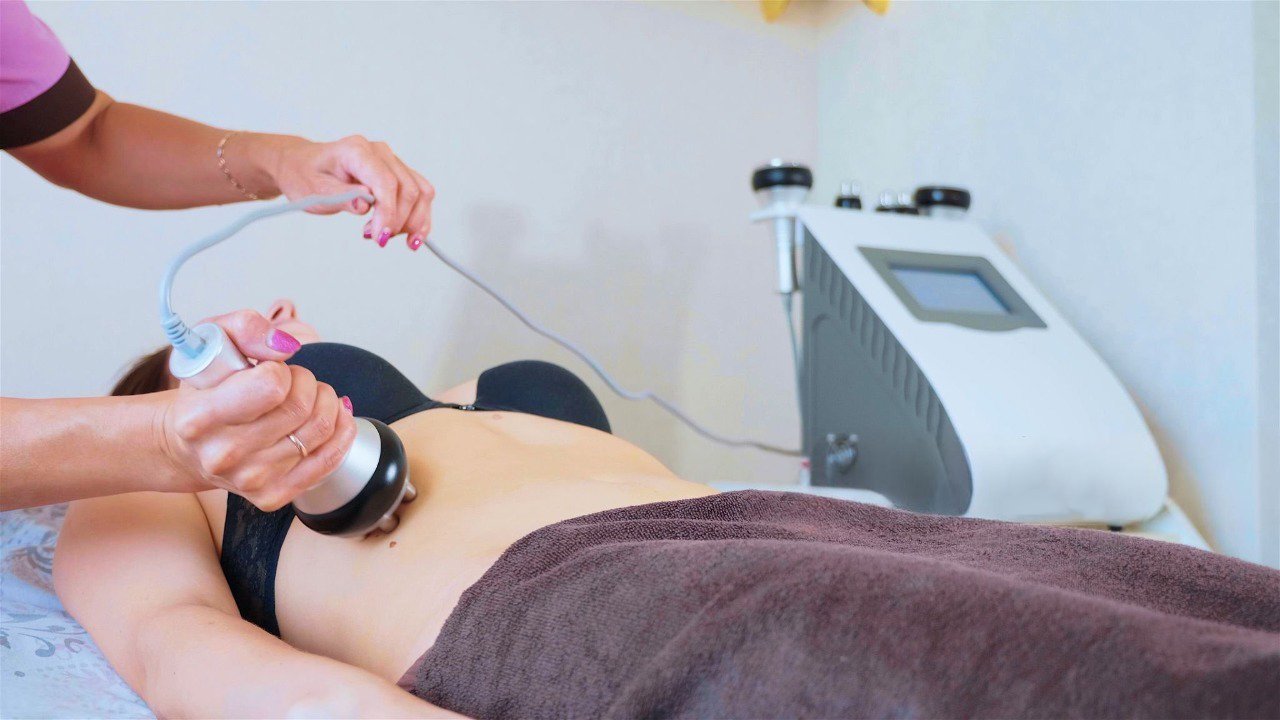
A conductive gel is applied to the treatment area before the handpiece begins delivering controlled ultrasound energy.
Unlike surgical procedures, no needles or incisions are required. The ultrasound energy passes safely through the skin surface and reaches the targeted fatty tissue beneath.
Stage 2: Cavitation Bubble Formation
As ultrasound waves travel through fatty tissue, they create alternating cycles of high and low pressure.
During these cycles, microscopic gas bubbles form around fat cells.
These bubbles continuously expand and collapse at high speed, generating mechanical stress that weakens fat cell membranes.
Stage 3: Fat Cell Breakdown
When sufficient pressure develops, the membranes surrounding fat cells become unstable.
Stored triglycerides are released into the surrounding interstitial space, where they are gradually metabolized by the body.
Rather than remaining intact, the treated fat cells lose their ability to store the same volume of fat, contributing to improved body contouring over multiple treatment sessions.
Stage 4: Natural Elimination
After treatment, the body begins processing the released fatty substances.
The liver metabolizes much of the released triglycerides, while the lymphatic system assists in transporting metabolic waste for elimination.
This natural biological process explains why practitioners strongly encourage clients to:
- Drink plenty of water
- Perform light exercise after treatment
- Maintain healthy eating habits
- Avoid excessive alcohol consumption
- Support healthy lymphatic circulation
These recommendations help optimize treatment efficiency while supporting the body’s natural metabolic functions.
How Is Ultrasonic Cavitation Different From Weight Loss?
One of the most common misconceptions is that ultrasonic cavitation is a weight-loss treatment.
It is not.
Instead, it is a body contouring procedure designed to reshape specific areas by reducing localized fat deposits.
Weight loss focuses on reducing total body mass.
Body contouring focuses on improving body proportions.
For example, two individuals may weigh exactly the same before and after treatment while experiencing noticeable reductions in waist circumference or improved abdominal definition.
This distinction is particularly important during client consultations because realistic expectations significantly improve treatment satisfaction.
Ideal candidates generally seek improvements such as:
- Better waistline definition
- Reduced love handles
- Smaller thigh circumference
- Improved abdominal contour
- Enhanced body symmetry
- Better clothing fit
Professional practitioners frequently combine ultrasonic cavitation with nutritional guidance, moderate physical activity, and hydration protocols to maximize long-term aesthetic outcomes.
Professional Ultrasonic Cavitation vs. Home Cavitation Devices
The growing popularity of body contouring has led to a flood of inexpensive handheld cavitation devices marketed directly to consumers. While these products often promise professional-level fat reduction, they differ significantly from the equipment used in licensed clinics and medical spas.
Professional ultrasonic cavitation systems are engineered for consistent energy output, deeper penetration, and higher treatment efficiency. They are designed to perform repeated treatments throughout the day while maintaining stable performance, safety, and precision.
Home-use devices, on the other hand, prioritize convenience and affordability. To reduce potential risks for inexperienced users, they typically operate at much lower power levels. As a result, visible changes often require significantly more sessions and may be less noticeable, particularly when treating thicker areas of localized fat.
For aesthetic businesses, investing in a professional platform offers additional advantages beyond treatment performance. Modern systems frequently integrate multiple technologies—such as Radio Frequency skin tightening, Vacuum Therapy, EMS muscle stimulation, or LED phototherapy—allowing clinics to provide customized treatment plans and expand their service offerings without purchasing separate devices.
Choosing a professional-grade system also supports greater treatment consistency, improved client satisfaction, and stronger long-term business value, especially for clinics aiming to build a reputation for high-quality body contouring services
Does an Ultrasonic Cavitation Machine Really Work?
One of the most frequently searched questions online is, “Do cavitation machines really work?” The short answer is yes—but only when the treatment is performed correctly, on suitable candidates, with professional equipment, and as part of a healthy lifestyle.
Ultrasonic cavitation is not a miracle solution for obesity or dramatic weight loss. Instead, it is a scientifically developed body contouring technology that helps reduce localized fat deposits and improve body shape without surgery. Thousands of aesthetic clinics worldwide include cavitation in their treatment menus because it consistently produces visible inch-loss results for properly selected clients.
The effectiveness of ultrasonic cavitation depends on several key factors:
- The quality and power of the machine
- The practitioner’s treatment technique
- The client’s body composition
- The treatment area
- Session frequency
- Lifestyle habits after treatment
Clients who expect to lose 20 pounds through cavitation alone are likely to be disappointed. However, individuals who are close to their ideal body weight and want to refine specific body areas often experience measurable improvements in contour and circumference after completing a full treatment course.
Many clinics measure success using body circumference rather than body weight. It is common for clients to lose several centimeters around the waist or thighs while maintaining nearly the same number on the scale.
What Clinical Studies Say About Ultrasonic Cavitation
Although research on body contouring technologies continues to evolve, multiple clinical studies have reported positive outcomes when low-frequency ultrasound is used appropriately.
Published research has demonstrated that ultrasonic cavitation may contribute to:
- Reduction in localized fat thickness
- Improved body contour
- Decreased waist circumference
- High patient satisfaction
- Minimal recovery time
- Low incidence of serious adverse effects when contraindications are respected
Most published studies emphasize that ultrasonic cavitation should be viewed as a body contouring procedure rather than a weight-loss treatment. Patients who combine treatments with balanced nutrition and regular physical activity generally achieve more predictable and longer-lasting results.
Professional consultation remains essential because treatment suitability varies according to medical history, body composition, and individual aesthetic goals.
Benefits of Ultrasonic Cavitation
Ultrasonic cavitation has become one of the most popular non-invasive body contouring technologies because it offers a balance between safety, comfort, and visible aesthetic improvement. For aesthetic clinics and wellness centers, it provides an effective service that appeals to clients seeking body sculpting without the risks associated with surgery.
Non-Surgical Fat Reduction
Unlike liposuction, cavitation requires:
- No incisions
- No anesthesia
- No stitches
- No hospitalization
- Minimal interruption to daily activities
Most clients can return to work or normal routines immediately after treatment.
Targets Stubborn Fat Deposits
Certain fat deposits remain resistant despite healthy eating and regular exercise.
Common treatment areas include:
- Lower abdomen
- Upper abdomen
- Love handles
- Inner thighs
- Outer thighs
- Upper arms
- Back fat
- Hips
- Buttocks
By focusing ultrasound energy on localized fat, cavitation helps improve body proportions in areas where traditional weight loss often produces limited changes.
Comfortable Treatment Experience
Most clients describe cavitation as relaxing.
During treatment they may notice:
- Gentle warmth
- Mild vibration
- A slight buzzing sound inside the ears
- Light pressure from the applicator
The procedure is generally well tolerated without the discomfort associated with invasive fat reduction methods.
No Downtime
One of the strongest advantages of ultrasonic cavitation is the absence of significant recovery time.
Most individuals can:
- Return to work immediately
- Resume daily activities
- Drive home after treatment
- Continue light exercise the same day
This convenience makes cavitation especially attractive for busy professionals.
Gradual, Natural-Looking Results
Unlike surgical procedures that produce immediate volume reduction accompanied by swelling, ultrasonic cavitation works gradually.
As the body metabolizes released fat over several weeks, clients typically notice:
- Improved waist definition
- Better body proportions
- Reduced circumference
- Smoother body contours
- Better clothing fit
The gradual improvement often appears more natural than abrupt surgical changes.
Can Be Combined With Other Body Contouring Technologies
Professional clinics rarely rely on cavitation alone.
Many advanced treatment protocols combine ultrasonic cavitation with:
- Radio Frequency (RF) skin tightening
- Vacuum massage
- EMS muscle stimulation
- Infrared therapy
- Lymphatic drainage massage
- LED therapy
These combination treatments address multiple aesthetic concerns simultaneously, including fat reduction, skin laxity, and body contour enhancement.
Modern multi-function body contouring systems allow practitioners to personalize treatment plans according to each client’s needs, improving both treatment efficiency and overall satisfaction.
What Areas Can Be Treated?
Ultrasonic cavitation is designed for localized fat reduction rather than full-body weight loss. The technology performs best in areas where subcutaneous fat can be targeted effectively without affecting deeper tissues.
Abdomen
The abdomen remains the most requested treatment area worldwide.
Clients often seek treatment for:
- Lower belly fat
- Upper abdominal fullness
- Post-pregnancy contour improvement
- Persistent fat despite exercise
For individuals with moderate localized fat deposits, cavitation can contribute to a slimmer waistline and improved abdominal definition over a series of treatments.
Love Handles (Flanks)
Fat accumulation around the waist can significantly affect body proportions.
Ultrasonic cavitation is commonly used to reduce:
- Side waist fat
- “Muffin top” appearance
- Flank fullness
When combined with healthy lifestyle habits, many clients report noticeable improvements in clothing fit after completing a treatment program.
Thighs
Both the inner and outer thighs respond well to cavitation treatments.
Common goals include:
- Slimmer thighs
- Reduced inner thigh rubbing
- Improved leg contours
- Enhanced body symmetry
Many clinics combine cavitation with radio frequency to improve skin firmness while reducing localized fat.
Upper Arms
Loose fat around the upper arms is another frequent concern, particularly among middle-aged clients.
Treatment aims include:
- Reduced arm circumference
- Improved arm contour
- Better appearance in sleeveless clothing
Back and Bra Fat
Localized fat around the upper and lower back may become noticeable under fitted clothing.
Professional cavitation treatments can improve:
- Bra bulges
- Lower back fullness
- Overall torso contour
Hips and Buttocks
While cavitation is not intended to increase buttock volume, it can improve surrounding contours by reducing adjacent fat deposits.
Many clinics integrate cavitation with muscle stimulation and skin tightening technologies to create a more balanced silhouette.
Double Chin and Neck
Specialized low-energy handpieces are available on some professional systems for treating smaller facial and neck areas.
Proper patient selection and practitioner training are essential because facial treatments require greater precision than body applications.
Does Ultrasonic Cavitation Work for Belly Fat?
Yes—the abdomen is widely regarded as one of the most responsive treatment areas for ultrasonic cavitation.
Belly fat is often divided into two categories:
Subcutaneous fat, located just beneath the skin, is the primary target of ultrasonic cavitation.
Visceral fat, which surrounds internal organs, cannot be treated using external cavitation devices.
This distinction is important because clients frequently assume cavitation reduces all abdominal fat.
Professional practitioners explain that cavitation is intended to contour the outer abdominal layer rather than address internal fat associated with obesity or metabolic disease.
Clients with moderate amounts of pinchable abdominal fat generally experience the most noticeable improvements.
Treatment outcomes are further enhanced when clients:
- Stay well hydrated
- Maintain a calorie-conscious diet
- Engage in regular physical activity
- Complete the recommended treatment course
- Follow appropriate aftercare instructions
For clinics, setting realistic expectations during consultation is one of the most effective ways to achieve high client satisfaction and long-term treatment success.
Negative Side Effects of Ultrasonic Cavitation
One of the most common questions asked by prospective clients is, “What are the negative side effects of cavitation?”
When performed by trained professionals using properly maintained equipment, ultrasonic cavitation is generally considered a safe, non-invasive body contouring treatment with a low rate of complications. Most side effects are mild, temporary, and resolve without medical intervention.
However, like any aesthetic procedure, ultrasonic cavitation is not completely risk-free. Understanding potential reactions helps practitioners set realistic expectations and enables clients to make informed treatment decisions.
Temporary Redness
Mild redness is one of the most common immediate reactions after treatment.
The ultrasound energy increases local circulation, which may cause the treated skin to appear pink or slightly flushed. This typically fades within 30 minutes to several hours.
Redness is usually more noticeable in clients with fair or sensitive skin but rarely requires any treatment.
Warm Sensation
Many clients report a gentle feeling of warmth during and shortly after the procedure.
This sensation occurs because ultrasound energy generates controlled mechanical vibration within the treatment area rather than excessive heat.
The warmth is generally comfortable and temporary.
Mild Swelling
Some individuals experience slight swelling immediately after treatment.
This response is usually associated with temporary fluid movement and increased lymphatic activity rather than tissue injury.
Swelling commonly resolves within one to two days and can often be minimized through adequate hydration and light physical activity.
Increased Urination
One frequently overlooked effect of cavitation is increased urination.
As the body processes released fatty substances and metabolic waste, clients may notice more frequent urination during the first 24 to 48 hours after treatment.
This is generally considered a normal physiological response and reinforces the importance of drinking sufficient water.
Temporary Fatigue
Some clients report mild fatigue after treatment.
Although the exact mechanism is not fully understood, the body expends energy processing released triglycerides through normal metabolic pathways.
The sensation usually disappears within a day and rarely interferes with normal daily activities.
Mild Headache
A small number of clients experience temporary headaches following treatment.
Possible contributing factors include:
Mild dehydration
Insufficient water intake
Temporary metabolic changes
Stress or anxiety unrelated to the procedure
Encouraging clients to remain well hydrated before and after treatment can help reduce this possibility.
Slight Bruising
Bruising is uncommon but may occur in individuals with:
Fragile capillaries
Very sensitive skin
Blood-thinning medications
Aggressive applicator pressure
Proper treatment technique significantly reduces this risk.
Mild Tenderness
The treated area may feel slightly tender for several hours.
This sensation is generally mild and comparable to the feeling experienced after a deep tissue massage.
Persistent pain is not considered a normal treatment response and should be evaluated by a qualified practitioner.
What Are the Dangers of Ultrasonic Cavitation?
Another popular search query is, “What are the dangers of cavitation?”
For healthy individuals who meet treatment criteria, serious complications are rare. Most reported problems occur when treatments are performed:
On unsuitable candidates
With poorly maintained equipment
By inexperienced operators
At excessive treatment intensity
Without appropriate consultation
The technology itself has been widely used in aesthetic medicine for years. However, patient screening remains one of the most important factors in maintaining safety.
Professional clinics typically complete a detailed medical consultation before the first session to identify potential contraindications.
Potential Risks Associated With Improper Treatment
Although uncommon, improper treatment protocols may increase the likelihood of complications such as:
Skin Burns
Using excessive power, remaining stationary in one location for too long, or operating defective equipment may lead to localized overheating.
Professional operators continuously move the handpiece to distribute ultrasound energy evenly across the treatment area.
Excessive Tissue Irritation
Applying unnecessary pressure during treatment may contribute to:
Increased discomfort
Bruising
Temporary inflammation
Experienced practitioners adjust pressure according to tissue thickness and client comfort.
Inadequate Fat Clearance
The body naturally metabolizes released fat through the liver and lymphatic system.
Clients who:
Drink very little water
Consume excessive alcohol
Avoid physical activity
may experience slower metabolic clearance, potentially reducing treatment efficiency.
Unrealistic Expectations
One of the greatest “risks” is not physical but psychological.
Clients expecting dramatic weight loss after one treatment session may become disappointed despite measurable body contour improvements.
Education during consultation is essential.
Professional practitioners explain that cavitation:
Is not liposuction
Is not a treatment for obesity
Does not replace healthy nutrition
Requires multiple sessions
Works best for localized fat deposits
Proper expectation management consistently improves client satisfaction.
Who Should Avoid Ultrasonic Cavitation?
Although ultrasonic cavitation is safe for many healthy adults, certain medical conditions make treatment inappropriate.
Every reputable clinic should complete a comprehensive consultation before beginning any body contouring program.
The following individuals are generally advised not to undergo ultrasonic cavitation unless specifically approved by their physician.
Pregnant or Breastfeeding Women
Pregnancy is an absolute contraindication.
Although there is limited evidence suggesting direct harm, elective aesthetic procedures should be postponed until pregnancy and breastfeeding have concluded.
Individuals With Pacemakers or Electronic Medical Devices
Ultrasound energy and combination technologies such as Radio Frequency or EMS may interfere with implanted electronic devices.
Treatment should not be performed on these clients.
Severe Liver Disease
The liver plays an important role in metabolizing released triglycerides.
Individuals with significant liver dysfunction may have reduced capacity to process the metabolic byproducts generated after treatment.
Kidney Disease
Healthy kidney function supports normal waste elimination.
Clients with advanced kidney disease should consult their physician before considering body contouring procedures.
Active Cancer
Most practitioners recommend postponing elective body contouring treatments during active cancer treatment unless specifically cleared by the oncology team.
Serious Cardiovascular Disease
Clients with uncontrolled cardiovascular conditions should receive medical approval before treatment.
Maintaining cardiovascular stability is essential during any elective aesthetic procedure.
Open Wounds or Skin Infections
Treatment should never be performed directly over:
Open cuts
Burns
Active infections
Severe dermatitis
Inflamed skin
Recent surgical incisions
The treatment area should be fully healed before cavitation is considered.
Metal Implants Near the Treatment Area
Metal orthopedic implants located directly beneath the treatment zone may require modification of the treatment plan or complete avoidance of the affected area.
Professional assessment is recommended.
Epilepsy
Because certain aesthetic devices produce electrical stimulation or flashing light components, practitioners often avoid treatment for individuals with uncontrolled epilepsy.
Uncontrolled Diabetes
Poorly controlled diabetes may impair healing and alter skin sensitivity.
Medical clearance should be obtained before initiating treatment.
Is Ultrasonic Cavitation Safe?
For appropriately selected patients, the answer is yes.
Ultrasonic cavitation has become one of the most established non-invasive body contouring treatments because it avoids many of the risks associated with surgery.
Compared with surgical liposuction, cavitation offers several important safety advantages:
No incisions
No general anesthesia
No stitches
Minimal discomfort
Little to no recovery time
Low complication rate
Immediate return to daily activities for most clients
Safety, however, depends on more than the technology itself.
Successful outcomes require:
Careful patient screening
Professional consultation
High-quality equipment
Correct treatment parameters
Proper operator training
Compliance with aftercare recommendations
Clinics that invest in certified professional equipment, maintain strict treatment protocols, and provide comprehensive patient education consistently achieve the highest standards of safety and client satisfaction.
For this reason, many leading aesthetic clinics choose professional multifunction body contouring platforms that combine stable ultrasound output, intelligent energy control, ergonomic handpieces, and integrated technologies such as Radio Frequency skin tightening and Vacuum Therapy. These advanced systems allow practitioners to customize treatments according to each client’s body composition while maintaining consistent performance across a wide range of body contouring procedures.
How Many Ultrasonic Cavitation Sessions Are Needed?
One of the most common questions prospective clients ask is, “How many cavitation sessions do I need to see results?”
There is no universal answer because every individual has different body composition, fat distribution, metabolism, and treatment goals. While some clients notice visible improvements after their first session, the most significant contouring results typically develop after completing a full treatment plan.
Professional practitioners evaluate several factors before recommending the number of sessions, including:
Thickness of the localized fat layer
Treatment area
Age
Skin elasticity
Lifestyle habits
Hydration levels
Previous body contouring treatments
For most healthy adults, a treatment course consists of 6 to 12 sessions, with appointments spaced approximately 5 to 7 days apart.
This schedule allows the body sufficient time to metabolize and eliminate the released fat before the next treatment.
Recommended Treatment Plan by Body Area
Abdomen
The abdomen is the most commonly treated area and often requires multiple sessions due to the larger volume of subcutaneous fat.
Typical recommendation:
Mild localized fat: 4–6 sessions
Moderate fat deposits: 6–8 sessions
Larger treatment goals: 8–12 sessions
Love Handles
Flanks generally respond well because fat deposits are relatively localized.
Typical recommendation:
6–8 sessions
Thighs
Inner and outer thighs may require additional treatments depending on fat thickness.
Typical recommendation:
6–10 sessions
Upper Arms
Smaller treatment areas often respond more quickly.
Typical recommendation:
4–6 sessions
Back Fat
Back contouring usually requires moderate treatment intensity.
Typical recommendation:
6–8 sessions
Double Chin
Facial contouring requires specialized applicators and conservative treatment protocols.
Typical recommendation:
4–8 sessions
Only trained professionals should perform cavitation treatments on facial areas.
How Often Should You Use an Ultrasonic Cavitation Machine?
Another frequently searched question is:
“How often should I use a cavitation machine?”
For professional treatments, most practitioners recommend:
One session every 5 to 7 days
No more than two sessions per week
Allowing the body adequate recovery between treatments
Spacing treatments appropriately supports the body’s natural metabolic processes and reduces unnecessary stress on the lymphatic system.
More frequent treatments do not necessarily produce faster or better results.
Can You Do Cavitation Two Days in a Row?
Generally, no.
Treating the same body area on consecutive days is not recommended.
Following a cavitation session, the body requires time to process released triglycerides through normal metabolic pathways. Performing another treatment too soon may reduce treatment efficiency and increase the likelihood of temporary skin sensitivity.
However, practitioners may treat different body areas on separate days if appropriate.
For example:
Monday:
Abdomen
Wednesday:
Thighs
Friday:
Arms
Treatment scheduling should always be based on individual assessment rather than a fixed timetable.
How Long Do Ultrasonic Cavitation Results Last?
Another popular question is:
“How long do cavitation results last?”
The answer depends largely on post-treatment lifestyle.
Fat cells disrupted during successful cavitation treatments lose their ability to store the same volume of fat. However, untreated fat cells throughout the body can still enlarge if calorie intake consistently exceeds energy expenditure.
Clients who maintain healthy habits often enjoy long-lasting contour improvements.
Factors influencing longevity include:
Diet quality
Exercise routine
Hydration
Body weight stability
Hormonal changes
Aging
Overall metabolic health
Many clinics recommend maintenance treatments every three to six months, depending on individual goals.
Does Ultrasonic Cavitation Permanently Destroy Fat Cells?
This question frequently appears in Google searches:
“Does cavitation permanently destroy fat cells?”
The answer is nuanced.
Ultrasonic cavitation disrupts targeted fat cells, allowing their stored contents to be metabolized and eliminated naturally. Once these cells have been effectively broken down and cleared, they do not regenerate in the same way that existing fat cells simply shrink during traditional dieting.
However, this does not mean future weight gain is impossible.
The body still contains millions of remaining fat cells.
If excessive calories are consumed after treatment, these remaining cells can enlarge, leading to new fat accumulation in treated or untreated areas.
This is why practitioners emphasize that cavitation is a body contouring treatment rather than a permanent substitute for healthy nutrition and exercise.
The best long-term outcomes occur when clients:
Maintain a stable body weight
Exercise regularly
Eat a balanced diet
Stay physically active
Complete maintenance sessions when appropriate
Before Treatment: Preparing for the Best Results
Proper preparation begins several days before the first appointment.
Professional consultation is the foundation of every successful cavitation treatment.
During consultation, practitioners evaluate:
Medical history
Body composition
Treatment goals
Contraindications
Skin condition
Lifestyle habits
Clients should understand that realistic expectations are just as important as selecting the appropriate treatment protocol.
Increase Water Intake
Hydration is one of the most important factors influencing treatment success.
Many practitioners recommend drinking approximately 2 to 3 liters (68–100 oz) of water daily before and throughout the treatment course.
Adequate hydration supports healthy lymphatic circulation and assists the body in processing released fat.
Avoid Heavy Alcohol Consumption
Alcohol places additional metabolic demands on the liver.
Because the liver plays an important role in metabolizing released triglycerides, excessive alcohol intake should be avoided for at least 24 to 48 hours before treatment.
Eat a Balanced Meal
Clients should avoid arriving on an empty stomach.
A light, balanced meal containing lean protein, vegetables, and complex carbohydrates is generally preferable to high-fat or high-sugar foods.
Wear Comfortable Clothing
Loose-fitting clothing improves comfort before and after treatment, particularly when treating larger body areas such as the abdomen or thighs.
Aftercare: What Should You Do After Cavitation?
Proper aftercare significantly influences treatment outcomes.
While ultrasonic cavitation requires little recovery time, following professional recommendations helps maximize fat metabolism and maintain long-term results.
Drink Plenty of Water
Hydration remains the single most important aftercare recommendation.
Most practitioners advise drinking at least 2 to 3 liters of water during the 24 to 48 hours following treatment.
Good hydration supports normal lymphatic function and helps the body eliminate metabolic byproducts more efficiently.
Exercise Within 24 Hours
Light to moderate physical activity helps utilize released fatty acids as an energy source.
Recommended activities include:
Walking
Cycling
Swimming
Light jogging
Resistance training
Even a brisk 30-minute walk may enhance treatment outcomes.
Follow a Healthy Diet
Clients should focus on foods such as:
Lean proteins
Fresh vegetables
Whole grains
Fruits in moderation
Healthy fats
Limiting processed foods and excessive sugar supports more consistent body contouring results.
What Should You Avoid After Cavitation?
For the first 24 to 48 hours, practitioners commonly recommend avoiding:
Excessive alcohol
High-fat meals
Sugary beverages
Smoking when possible
Dehydration
Sedentary behavior
Healthy lifestyle choices maximize the body’s ability to process released fat efficiently.
Can You Shower After Cavitation?
Yes.
Normal showering is generally safe immediately after treatment.
Most practitioners recommend:
Warm or lukewarm water
Gentle cleansing
Avoiding extremely hot water if the treated area feels temporarily sensitive
There is usually no need for bandages or special wound care because the procedure is completely non-invasive.
How to Maximize Ultrasonic Cavitation Results
Although the technology itself plays an important role, long-term success depends on the combination of professional treatment and healthy daily habits.
Clients who consistently achieve the best outcomes typically follow these recommendations:
Complete the full treatment course rather than stopping after one or two sessions.
Stay well hydrated before and after every appointment.
Maintain regular physical activity throughout the treatment program.
Follow a balanced, calorie-conscious diet.
Avoid excessive alcohol consumption.
Keep body weight relatively stable after achieving the desired contour.
Schedule maintenance sessions if recommended by the practitioner.
For clinics, providing comprehensive consultation, personalized treatment plans, and detailed aftercare guidance not only improves clinical outcomes but also increases client satisfaction, retention, and referrals. By combining professional expertise with advanced body contouring technology, practitioners can deliver consistent, natural-looking results that support long-term confidence and body wellness.
- All
- Ultrasonic Cavitation


Professional Ultrasonic Cavitation Machines vs. Home Devices
As non-invasive body contouring becomes increasingly popular, the market is flooded with inexpensive home cavitation devices promising professional-level results. While these products may appear attractive because of their lower price, they differ significantly from the equipment used in professional aesthetic clinics.
Understanding these differences is essential for clinic owners, distributors, and consumers who want realistic expectations.
| Feature | Professional Ultrasonic Cavitation Machine | Home Cavitation Device |
|---|---|---|
| Power Output | High and consistent | Low |
| Treatment Efficiency | Professional-grade | Limited |
| Treatment Time | Shorter | Longer |
| Frequency Stability | Precise | Variable |
| Treatment Depth | Optimized for clinical use | Shallow |
| Multiple Technologies | Yes | Rare |
| Continuous Operation | Designed for commercial use | Limited |
| Clinical Return on Investment | High | Not applicable |
Professional machines are engineered for daily commercial operation, consistent energy delivery, and customizable treatment protocols. They are designed to treat a wide range of body types while maintaining stable performance throughout multiple appointments.
Home devices, by comparison, are intentionally limited in output to reduce the risk of misuse. Although they may provide subtle improvements over time, they generally cannot match the treatment efficiency, versatility, or durability of professional systems.
For businesses, investing in commercial-grade equipment not only improves treatment outcomes but also increases service capacity, customer satisfaction, and long-term profitability.
How to Choose the Best Professional Ultrasonic Cavitation Machine
Purchasing a body contouring system is a significant investment. The right equipment should not only deliver reliable treatment results but also support your clinic’s growth for years to come.
When comparing professional machines, consider the following factors.
Stable Ultrasound Frequency
Professional systems typically operate at frequencies such as 30KHz, 40KHz, or multi-frequency configurations, ensuring consistent energy delivery throughout each treatment.
Stable output contributes to predictable clinical performance and improved client comfort.
Multiple Treatment Technologies
Many clinics prefer multifunction platforms that combine:
Ultrasonic Cavitation
Radio Frequency Skin Tightening
Vacuum Therapy
Multipolar RF
Bipolar RF
EMS Muscle Stimulation
Infrared Therapy
LED Light Therapy
Combining complementary technologies enables practitioners to address multiple aesthetic concerns during a single treatment plan.
Ergonomic Handpieces
Comfortable, lightweight applicators reduce operator fatigue during busy clinic schedules.
Well-designed handpieces also improve treatment precision, particularly in smaller or more delicate treatment areas.
Intelligent Operating System
Modern body contouring equipment often features:
Large touch-screen displays
Preset treatment protocols
Adjustable energy settings
Timer functions
Safety monitoring
User-friendly software
These features improve workflow efficiency while simplifying staff training.
International Certifications
Reputable manufacturers typically provide equipment that complies with applicable quality and safety standards.
Depending on your market, look for products manufactured in accordance with internationally recognized quality management systems and supplied with the documentation required for commercial import, distribution, and operation.
Warranty and Technical Support
Reliable after-sales service is just as important as equipment quality.
Before purchasing, evaluate:
Warranty coverage
Technical support availability
Spare parts supply
Software updates (if applicable)
Training resources
Response time for service requests
Professional support minimizes downtime and protects your investment.
Why Clinics Choose Multifunction Body Contouring Systems
Today’s clients rarely seek treatment for only one aesthetic concern.
A client interested in reducing abdominal fat may also want to improve skin firmness, reduce cellulite, or enhance muscle definition.
Multifunction body contouring platforms allow clinics to create customized treatment plans using several technologies within the same system.
Typical treatment combinations include:
Localized Fat Reduction
Ultrasonic Cavitation
Skin Tightening
Radio Frequency
Body Sculpting
EMS Muscle Stimulation
Lymphatic Support
Vacuum Massage
Skin Rejuvenation
LED Therapy
Offering comprehensive treatment solutions increases client satisfaction while creating additional revenue opportunities for aesthetic practices.
Why Professionals Choose Skintechx Body Contouring Solutions
At Skintechx, we understand that professional aesthetic equipment must deliver more than attractive specifications—it must perform reliably in real clinical environments.
Our professional body contouring systems are designed to help clinics, med spas, beauty salons, distributors, and OEM partners provide safe, effective, and profitable non-invasive treatments.
Skintechx professional ultrasonic cavitation machines offer advantages such as:
High-performance ultrasonic cavitation technology
Multifunction body contouring platforms
Radio Frequency skin tightening integration
Vacuum therapy options
Intuitive touch-screen interfaces
Ergonomic treatment handpieces
Stable energy output
Durable commercial-grade construction
Professional training support
Global shipping
OEM and private label manufacturing services
Responsive after-sales technical assistance
Whether you are opening a new aesthetic clinic or expanding an established practice, selecting professional equipment from an experienced manufacturer can improve treatment consistency, enhance client confidence, and support long-term business growth.
Frequently Asked Questions
Do cavitation machines really work?
Yes. Professional ultrasonic cavitation machines can effectively reduce localized fat deposits and improve body contours when used on suitable candidates as part of a complete treatment program. The best results are achieved with professional equipment, trained practitioners, and healthy lifestyle habits.
Does ultrasonic cavitation work for belly fat?
Yes. The abdomen is one of the most commonly treated areas because it often contains localized subcutaneous fat that responds well to cavitation. However, cavitation does not reduce visceral fat surrounding internal organs.
How many cavitation sessions are needed?
Most clients require 6 to 12 sessions, depending on the treatment area, fat thickness, and desired results. Sessions are usually scheduled every five to seven days.
Can I have cavitation treatments two days in a row?
Treating the same area on consecutive days is generally not recommended. Allowing several days between sessions gives the body time to metabolize the released fat and supports optimal treatment results.
How much water should I drink after cavitation?
Most practitioners recommend drinking 2 to 3 liters (68–100 oz) of water per day before and after treatment. Proper hydration supports lymphatic circulation and the body’s natural metabolic processes.
Does ultrasonic cavitation tighten skin?
Ultrasonic cavitation primarily targets localized fat. For clients concerned about skin laxity, many clinics combine cavitation with Radio Frequency (RF) skin tightening to improve overall body contours.
Is ultrasonic cavitation permanent?
The treated fat cells lose their ability to store the same volume of fat after successful treatment. However, maintaining results requires a healthy diet, regular exercise, and stable body weight because remaining fat cells can still enlarge if excess calories are consumed.
Who should avoid ultrasonic cavitation?
Individuals who are pregnant, have pacemakers or implanted electronic devices, active cancer, severe liver or kidney disease, uncontrolled cardiovascular conditions, open wounds, or serious skin infections should avoid treatment unless specifically approved by their physician.
Can I use ultrasonic cavitation on my face?
Some professional systems include specialized facial applicators designed for small treatment areas such as the chin or jawline. Facial treatments require lower energy settings and should only be performed by trained practitioners.
Is a professional cavitation machine better than a home device?
Yes. Professional machines deliver higher, more consistent energy output, offer advanced treatment customization, and often combine multiple technologies such as Radio Frequency, Vacuum Therapy, and EMS. These features enable clinics to achieve more predictable and efficient body contouring results than most consumer-grade devices.
Conclusion
Ultrasonic cavitation has established itself as one of the most effective non-invasive body contouring technologies available to modern aesthetic practices. By using low-frequency ultrasound to target localized fat deposits, it provides a safe alternative to surgical procedures for individuals seeking improved body contours with minimal downtime.
While cavitation is not a weight-loss solution, it can significantly enhance body shape when combined with realistic expectations, proper patient selection, healthy lifestyle habits, and a structured treatment plan. Understanding the technology, recognizing contraindications, following appropriate before- and aftercare protocols, and using high-quality professional equipment are all essential to achieving consistent outcomes.
For clinics, med spas, and beauty professionals, investing in advanced body contouring systems is not only about offering another treatment—it is about delivering reliable results, increasing client satisfaction, and building a competitive aesthetic business. Choosing equipment that integrates ultrasonic cavitation with complementary technologies such as Radio Frequency, Vacuum Therapy, and EMS allows practitioners to provide personalized treatment plans that address multiple body contouring goals.
If you are looking for professional ultrasonic cavitation machines engineered for commercial performance, Skintechx offers a comprehensive range of advanced body contouring systems designed for aesthetic clinics, distributors, and OEM partners worldwide. Explore our collection to discover solutions that combine innovative technology, dependable performance, and expert support to help grow your aesthetic practice with confidence.